What to do right now
Let’s act quickly but stay calm—don’t touch damaged electrics or try to reset the consumer unit if there’s any danger. - Burning smell or scorching: switch off power only if safe, leave the area and call 999 if there’s fire risk. - Whole street dark: check whether neighbours are affected, then report the cut to your electricity network operator. - Water or an electric shock: keep clear, don’t touch the person if they’re still in contact with electricity, and call 999 immediately.
If you can smell burning or see scorching
If you can smell burning or see scorching around a socket, switch, appliance or consumer unit, switch off the electricity at the consumer unit straight away if it’s safe to do so. Don’t touch damaged fittings, remove covers or use water on any electrical fire. If there’s smoke, flames or immediate danger, get everyone out, close doors behind you and call 999.
A burning socket or scorching switch can indicate thanington connections, overloaded circuits or failing wiring. Once power is isolated, unplug appliances only if they’re cool and accessible without touching damaged areas. Keep the affected circuit off and don’t attempt a reset. We can trace the fault, make the installation safe and explain the repair needed before work begins. If you’re unsure whether it’s safe to approach the consumer unit, leave it alone and call for urgent help.
If the whole street is dark
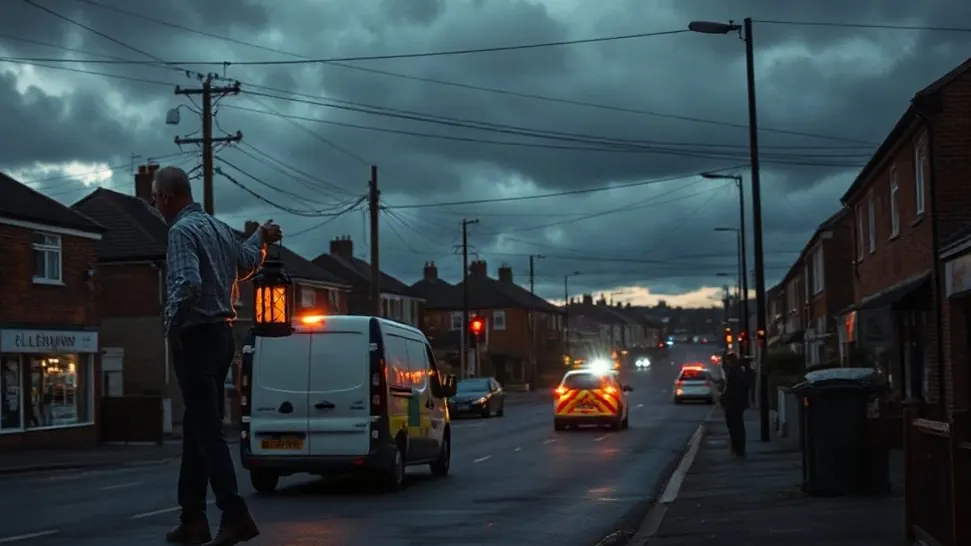
When the whole street is dark, it’s likely a wider power cut rather than a fault inside your home. First, check whether nearby homes, streetlights and businesses are affected. If they are, report the neighbourhood outage to your electricity network operator by calling 105, then follow its updates.
We recommend keeping your consumer unit untouched unless you have already confirmed the supply has returned and only your property remains without power. Switch off or unplug sensitive appliances, especially computers, TVs and chargers, so they’re protected when electricity is restored. Keep fridge and freezer doors closed to preserve food for longer.
Use torches rather than candles, avoid opening electric garage doors, and check on vulnerable neighbours where safe. A fault at a street transformer may take time to locate and repair, but the network operator will coordinate the response.
If water has reached the electrics
Where water has reached sockets, wiring or the consumer unit, don’t touch electrical equipment, switches or standing water. Keep everyone away from the affected area, including pets, and do not attempt to dry or unplug appliances. If it is safe to reach the main switch without crossing wet ground, turn off the supply; otherwise, leave it alone and call us urgently.
Water ingress can damage hidden cables and connections, even after surfaces appear dry. We’ll isolate, inspect and test the electrics before any circuit is used again. Photograph visible damage from a safe distance for insurance notification, but don’t move affected items. Appliance salvage should wait until we confirm they can be handled safely. For flooding, contact your insurer and arrange a qualified electrical inspection before restoring power.
If someone has had a shock
A suspected electric shock needs immediate action: don’t touch the person until the electrical supply is off, as you could be shocked too. Switch off the consumer unit only if you can do so safely; otherwise, call 999 immediately and keep others away. Don’t touch damaged cables, sockets or metalwork.
Once the supply is isolated, call 999 if they’re unconscious, have breathing difficulties, chest pain, burns, confusion or an irregular heartbeat. Start first aid or CPR only if it’s safe and you’re trained, following the emergency operator’s instructions. Even if they seem well, arrange prompt medical follow up: electric shocks can cause delayed internal injury. Don’t restore power or use the affected circuit. We can carry out voltage testing and a wiring inspection to identify the fault and make the installation safe.
How fast we get to Canterbury
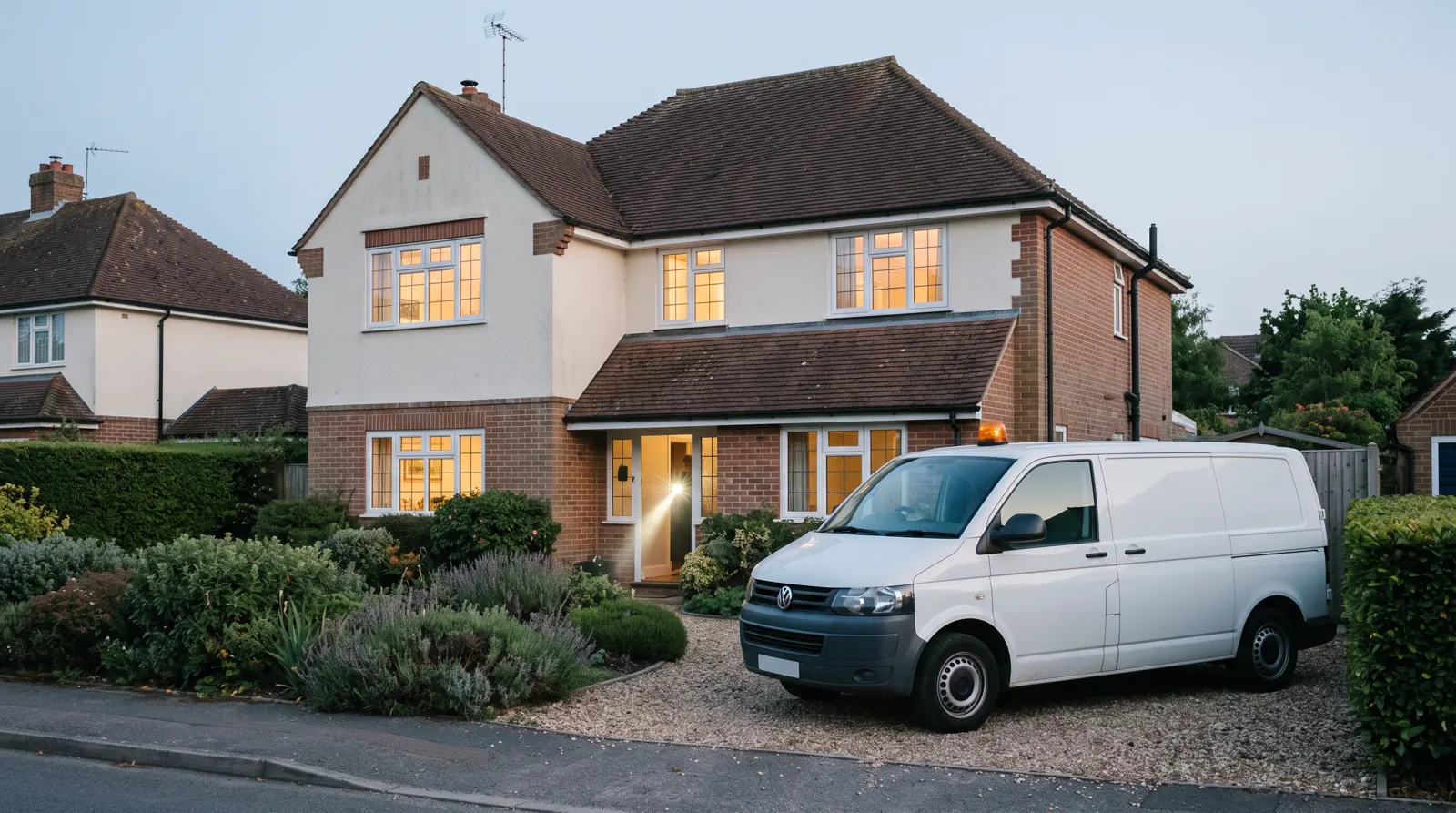
We aim to reach most Canterbury power-cut reports from Fruitworks Coworking within 30–45 minutes.
We’ll set off promptly and keep you updated on our arrival.
Your response time depends on crew availability, the urgency of the fault and traffic delays, particularly around busy routes and peak periods. When you call, we’ll ask focused questions to establish whether the loss of power affects one circuit, your whole property or the wider network. We’ll then prioritise immediate safety and dispatch accordingly.
Please keep your phone nearby, make certain safe access if possible, and don’t remove consumer-unit covers. If there’s danger from burning smells, smoke or damaged cables, move clear and call emergency services immediately.
What an emergency call-out costs
For out-of-hours power-cut emergencies in Canterbury we charge £120 per hour including VAT (one-hour minimum); we’ll explain costs before work begins so you can act quickly without surprise fees. Emergency prioritisation focuses on safety and restoring supply where possible.
| Job | Price | What's included |
|---|---|---|
| Out-of-hours labour | £120 per hour | Fault finding and labour; testing and certification where required |
| Minimum charge | £120 (one hour) | Covers the first hour of labour |
| Testing and certification | Included where required | Included in the hourly rate or fixed quote when applicable |
| Parts for quoted work | Included where quoted | Parts included only when specified in the written fixed price |
Not included: plaster repairs, decoration, asbestos removal, DNO supply-upgrade charges, scaffold or access equipment.
Faults we attend most often
- Your power keeps tripping when you plug things in or turn things on.
-
Usually means a tripped consumer unit or an appliance fault overloading the circuit.
-
A socket or switch feels warm, smokes a little, or has black scorch marks.
-
Usually indicates a thanington connection or overheating that needs immediate attention.
-
Lights flicker or dim when the kettle, toaster or other appliance goes on.
-
Usually a circuit is overloaded or connections are poor under load.
-
A particular plug or appliance trips the power every time you use it.
-
Usually a faulty appliance, damaged lead, or a short in that circuit.
-
Extension leads or multiple chargers and appliances cut out when used together.
-
Usually the temporary lead is overloaded or the circuit can’t cope with the combined load.
-
You smell burning from a socket or behind a wall, or hear a buzzing noise from switches or sockets.
-
Usually arcing or overheating at a connection — potentially dangerous, get it checked straight away.
-
Sockets are thanington, plugs don’t fit properly, or switches feel wobbly.
-
Usually worn or thanington connections that need replacing.
-
Some lights or sockets stop working entirely while others are fine.
-
Usually a broken connection, a damaged cable, or a tripped circuit specific to that area.
-
You have older two-core wiring, or rubber-insulated cables that look brittle and cracked.
-
Usually ageing wiring (rubber insulation) that has deteriorated and may be unsafe.
-
You live in a post-war house and worry your wiring could be aluminium (often identifiable by older-style accessories).
-
Usually older aluminium wiring, which can develop thanington connections and needs specialist attention.
-
Water has reached a socket, light fitting, or consumer unit, or you’ve had leaks near electrics.
-
Usually water-damaged equipment or wiring — isolate power only if it’s safe and call for help.
-
A device keeps tripping the RCD/consumer unit even after you reset it.
- Usually an ongoing fault or leakage to earth that requires diagnosis rather than repeated resets.
What we can usually fix on the first visit
Many Canterbury power-cut faults can be diagnosed and made safe on the first visit, including tripped consumer units, failed sockets or switches, damaged leads, thanington connections and appliance-related faults. We’ll isolate the problem, test the affected circuit and restore power where it’s safe to do so. If a faulty appliance is causing the trip, we can identify it and leave your installation safe while you arrange repair or replacement.
We can often replace damaged accessories, tighten sound connections and resolve minor circuit faults immediately. Aluminium wiring needs careful assessment, as unsuitable connections can overheat; we’ll advise clearly if further remedial work is needed. For older homes requiring period rewires, we can make the installation safe, explain the options and provide a fixed written price before any larger work begins.
Areas we reach fastest
When you’ve lost power, call us straight away and tell us your postcode, whether neighbours are affected, and if access is restricted. We’ll plan the quickest route and arrive prepared to trace the fault safely. Rush hour, the School run and Event traffic can slow journeys through central Canterbury, but we’ll keep you updated if conditions affect arrival.
Please mention gated drives, parking limits, flats, or Alleyway access when you call. Clear access to the consumer unit helps us start testing without delay, restore safe supplies where possible, and explain the next steps clearly.