
The short answer
We typically recommend AFDDs or SPDs in about 30% of homes and install them during a consumer‑unit change from around £120 extra per device.
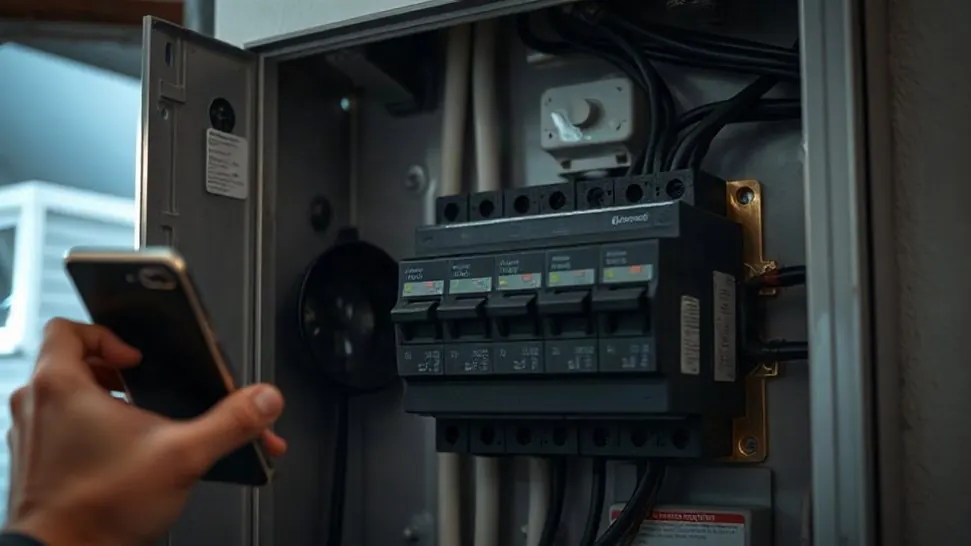
AFDDs and SPDs serve different protective roles in a consumer unit: an AFDD detects dangerous arcing faults that may lead to fire, while an SPD limits transient overvoltages that can damage electrical equipment. Neither device replaces correct circuit design, earthing, RCD protection or testing, but each can reduce a distinct residual risk.
For most homes, we assess your installation, circuit use and equipment before recommending either measure. AFDDs can offer meaningful safety benefits where cables, connections or appliances face higher fire risk. SPDs are particularly valuable where sensitive electronics, smart controls, boilers, alarms or EV chargepoints could be affected by switching or lightning‑related surges. Cost considerations matter: fitting protection during a consumer‑unit replacement is usually more economical than modifying an unsuitable existing board. We’ll specify compatible devices and verify operation after installation.
What the law actually says
BS 7671 is not legislation; it is the recognised technical standard used to demonstrate safe electrical design and installation and therefore indicates when AFDDs and SPDs should be considered for new work and alterations, but it does not itself create legal duties.
Part P of the Building Regulations imposes legal requirements for domestic electrical work to provide reasonable protection against fire and electric shock; compliance is commonly demonstrated by following BS 7671, though alternative means that achieve equivalent safety may also be acceptable.
Statutory guidance, including Approved Document P, supports the regime but does not replace the requirement for competent design, inspection and testing. We assess the installation, supply arrangement and proposed circuit changes and then specify protective measures that can be justified and certified — we do not claim that particular devices are always legally required, only that our recommendations reflect what can reasonably be justified for safety and certification.
Who does need it, and why
Whether you need AFDDs, SPDs or both depends on the building’s use, the condition and age of its wiring, the consequences of a fault and the work being carried out. We’ll give particular attention to older properties with VIR, rubber or aluminium wiring, where deterioration, thanington connections and concealed cable damage can increase fault risk.
AFDDs merit consideration where an electrical fire would pose heightened danger: sleeping accommodation, rented homes, HMOs, care settings and properties with vulnerable occupants. They can detect certain dangerous arcing faults that ordinary protective devices may not identify.
SPDs are especially relevant where sensitive electronics, heating controls, alarms, broadband equipment, EV chargepoints or solar equipment could be damaged by transient overvoltages. For homeowner guidance, we assess exposure and installation value. Landlord responsibilities include maintaining a safe installation and addressing EICR observations.
How often, and who decides
There’s no routine replacement interval for AFDDs or SPDs: we decide on their suitability when designing, altering or inspecting the installation, using BS 7671, the property’s risk profile and the condition of the existing wiring.
| Device | Review trigger |
|---|---|
| AFDD | Circuit alteration or EICR observations |
| SPD | Consumer-unit work, surge exposure or indicator status |
| Both | Damage, overheating or deterioration |
We’ll assess whether protective devices remain compatible with the consumer unit, earthing arrangement and circuit loading. SPDs may have visual status indicators; a failed indicator requires investigation and replacement where necessary. AFDDs are checked through appropriate testing and inspection, not arbitrary age alone.
Inspection intervals are set by installation type, use and regulatory guidance. For landlords, EICRs are generally required at least every five years; owner-occupiers should arrange checks when condition, alterations or faults indicate increased risk.
What it costs
Costs for AFDD or SPD work depend on the consumer unit’s make, available space, circuit arrangement and whether the existing installation is suitable for alteration. We assess compatibility, protective-device coordination and test results before pricing, because installation costs cannot be safely assumed from a photograph.
| Item | Price |
|---|---|
| Labour | £80 per hour |
| Day rate | £600 |
| AFDD/SPD work | Quoted per job after a free survey |
Our written quote includes parts, labour, testing, certification and VAT; it won’t increase after work starts. A consumer unit replacement, where required, is £500–£700. An EICR can establish the installation’s condition: £150–£250 for up to three bedrooms. We’ll also explain appropriate Maintenance schedules, including periodic inspection and functional checks, so protective measures remain dependable. Plaster repairs, decoration, asbestos removal, DNO upgrades and access equipment aren’t included.
What we do instead when it is not required
When AFDDs or SPDs aren’t required following assessment, we concentrate on the underlying electrical risks: confirming the consumer unit is suitable, testing circuit condition and protective device operation, and addressing defects identified by inspection or an EICR. We check earthing and bonding, insulation resistance, polarity, RCD performance and signs of overheating or damaged accessories.
Our risk assessments take into account the installation’s age, wiring type, circuit loading, environment and consequences of failure. For older Canterbury properties, access or the building’s historic fabric may limit what can be done without specialist consent; in such cases we may recommend alternative inspection or mitigation measures. We recommend targeted upgrades only where they will, in our professional judgement, improve safety or reliability — for example, by providing appropriate RCD protection, improving enclosure condition or better circuit segregation. Selective replacements may be advised for degraded cables, thanington connections, unsuitable accessories or obsolete protective devices; findings will be recorded and explained before any work proceeds.
Note: it is commonly believed that AFDDs or SPDs are legally mandatory in all domestic installations — this is not correct. Legal requirements depend on the applicable edition of the wiring regulations (BS 7671) and the specific circumstances of the installation; our recommendations reflect current guidance and the assessed risks rather than an automatic statutory obligation.