
The short answer
If your wiring is unsafe, expect a qualified electrician to charge £300–£1,500 and to assess or start work within 48–72 hours.
If wiring is old, damaged or shows warning signs — frequent tripping, burning smells, discoloured sockets, shocks or flickering lights — it needs prompt assessment by a qualified electrician. We advise isolating the affected circuit where safe, avoiding continued use and arranging a professional inspection without delay.
Our short summary: wiring that cannot safely support normal household demand, shows deterioration, or lacks appropriate protective measures may require partial or full rewiring. Don’t remove covers, test live conductors or rely on temporary repairs yourself.
Use this quick checklist: note recurring faults, identify affected sockets or lights, check whether the consumer unit trips, and photograph visible damage only if safe. A qualified electrician can inspect the installation, test circuits and advise whether remedial work or rewiring is necessary, with certification where required.
Why this happens
- Your lights dim or flicker when you switch on the kettle or a heater.
-
This usually means the circuit is being overloaded or connections are losing contact and can’t cope with the higher demand.
-
A plug, switch or light fitting feels warm or hot to the touch.
-
This often indicates a poor or corroded connection that’s generating heat and could be dangerous.
-
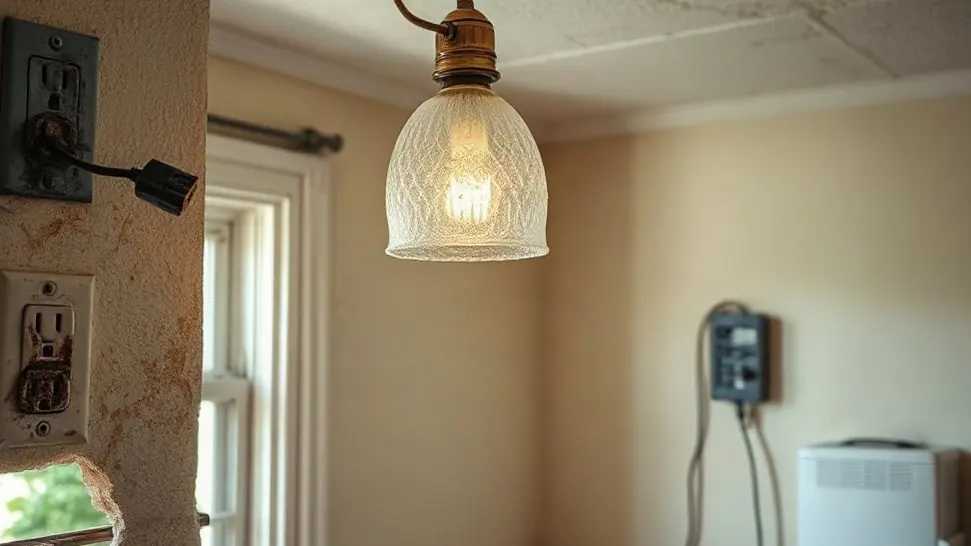
Sockets or switches crack, burn or mark the wall around them.
-
This commonly shows overheating at terminals or overloaded circuits that need attention.
-
The insulation on cables looks cracked, sticky, powdery or brittle when you inspect a visible section.
-
That usually means the insulation has aged or been damaged and could expose live conductors.
-
You find chewed cables in the loft, under floors or behind fittings.
-
That typically points to rodent damage and exposed or severed conductors needing replacement.
-
Circuits or RCDs trip repeatedly when you use certain appliances.
-
This usually means the circuit is overloaded, has a fault, or the protective device is detecting leakage/current imbalance.
-
New appliances, a home office, or an EV charger cause frequent tripping or require using different sockets around the house.
-
That often indicates the existing wiring and circuit layout can’t cope with the added load and may need upgrading.
-
You notice electrical work from different eras — mixed cable types, taped joints or DIY splices.
-
This generally suggests previous alterations might be unsuitable or unsafe and should be checked for compliance.
-
Metalwork or appliances tingle or give small shocks when touched.
-
That usually points to inadequate earthing or a fault where live parts are touching exposed metal.
-
Fuses blow or breakers trip with minor loads that used to be fine.
-
This often means deterioration, increased resistance, or an under-rated circuit for current household demand.
-
Smell of burning, scorch marks, or unexplained hot smells near sockets or consumer units.
-
That usually means overheating or arcing and requires immediate inspection.
-
You’re unsure what the earth connections look like or there’s no clear earthing at an older property.
- That commonly shows the installation may not meet current safety standards and might need earthing upgrades to comply with regulations.
What to check first
Start with a visual check only: look for scorch marks, cracked accessories, thanington faceplates, damaged visible cable and signs of overheating around sockets, switches and the consumer unit. Don’t remove covers, touch exposed conductors or attempt repairs; even apparently minor defects can indicate deteriorated insulation or thanington connections.
Next, check sockets for heat, movement, discolouration and damaged plug pins. Inspect fittings, including ceiling roses, pendants and light switches, for cracking, staining or flickering associated with use. Note whether lights dim when appliances start, fuses operate repeatedly, or circuits appear overloaded. Record the location and frequency of each symptom, particularly in older areas of the property. Keep combustible items away from any suspect accessory, and stop using a socket or switch if it becomes hot, smells unusual, sparks or shows visible damage.
Legal clarification: There is no general legal duty for a homeowner to carry out these checks, but landlords and employers do have specific inspection and maintenance obligations under housing and health-and-safety regulations; when in doubt about responsibility or if you find defects, seek a qualified electrician rather than attempting repairs yourself.
When to call an electrician
Call a qualified electrician promptly if you notice repeated tripping at the consumer unit, burning smells, hot or discoloured sockets, flickering lights, electric shocks or persistent loss of power. Don’t keep resetting protective devices or using affected circuits: switch off the relevant circuit or the consumer unit if it is safe to do so, and avoid touching damaged accessories or exposed wiring.
If you report symptoms such as smoke, overheating, arcing, water ingress or a suspected fault affecting essential supplies, we will advise whether an immediate response is likely needed. If there is immediate danger, leave the property and call the emergency services. For non-urgent concerns you can arrange an inspection by an electrician who is NICEIC-registered or who works to Part P requirements; note that registration schemes and Part P relate to demonstrating competence and certain notification duties, but they do not remove the homeowner’s responsibility to ensure electrical work that requires building regulation notification is carried out and certified where applicable. An inspection can include testing circuits, assessing cable condition, checking earthing and bonding, and identifying whether remedial work or rewiring may be necessary.
What it costs to fix
Costs depend on the fault’s cause, the condition of the existing wiring and the extent of remedial work needed, so we’ll diagnose the issue before recommending repairs. We provide written labour estimates and a clear parts breakdown, including testing, certification and VAT.
| Job | Price | What’s included |
|---|---|---|
| Fault finding | £80/hr | Testing and diagnosis |
| Consumer unit | £500–£700 | Parts, labour, certificate |
| Partial rewire | £1,200–£3,000 | Wiring, testing, certification |
Most faults are traced within one to two hours; emergency work is £120/hr, with a first-hour minimum. We’ll make certain remedial work meets current safety requirements and Part P obligations where applicable. Permit costs, asbestos removal, supply-upgrade charges, access equipment, plaster repairs and decoration aren’t included. For insurance claims, keep our written quote and electrical certificate; we’ll explain what the repair covers before work begins.
What we see around Canterbury
Across Canterbury we see warning signs tied to the town’s variety of neighbourhoods and housing ages. In the Wincheap and central Canterbury terraced streets, many mid‑ to late‑Victorian houses (built c.1850–1900) still contain original wiring such as VIR and rubber‑insulated cable; in these properties we check insulation resistance as those cables can become brittle.